Camping in Iceland

Camping

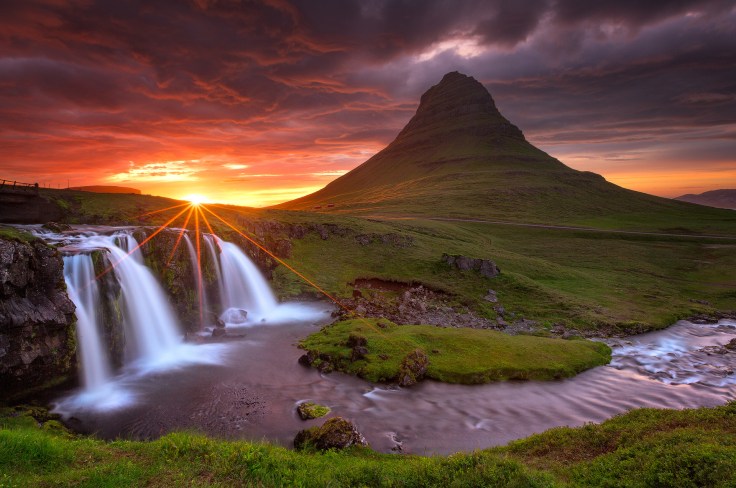
Iceland-Waterfalls.-Kirkjufell

Do you dream of waking up to the sunrise across a magnificent fjord? Or of falling asleep amongst a range of beautiful mountains with the Northern Lights dancing overhead? If so, there are no better options for you than taking a camping holiday to Iceland.

Taking guided tours to visit the sites—or driving from accommodation to accommodation around the island—are excellent ways to see the country, but camping is the only true way to fully immerse yourself in the incredible nature of Iceland.

Although the uninhabited landscape and unpredictable weather raise certain challenges, never before has this option been more accessible or inviting. If the idea of such a life-changing experience appeals to you, keep reading for the best tips on camping in Iceland.

Why Camp in Iceland?
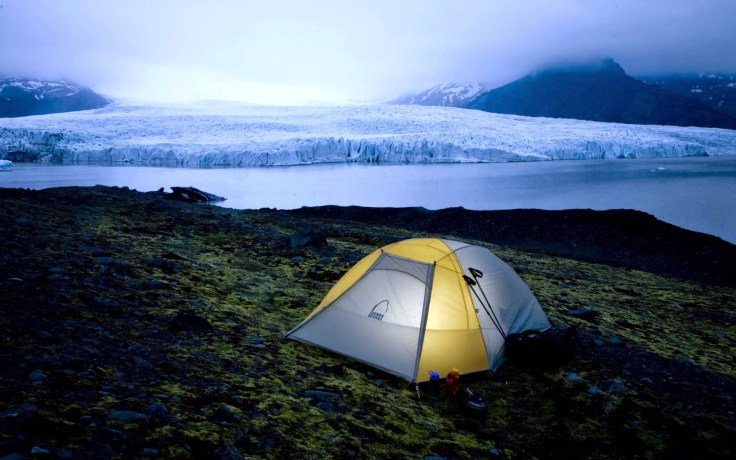
Camping-In-Iceland-National-Park-Hd-Wallpaper-

Camping is a passion of many Icelanders. It is somewhat of a national tradition every summer to pack up one’s belongings and join friends and families at one of the many unique campsites across the country.

he same appeal that brings locals out of their homes and into their tents extends to visitors. Camping in Iceland is cheap, which is invaluable to travellers on a budget considering the relatively high prices in Iceland; it is sustainable, so you can fall asleep amongst the nature knowing that your trip is having a minimal impact on it; and it allows for more independence than a hotel stay.

It is Iceland’s incredibly diverse scenery that draws most visitors, and without a base that must be returned to, a whole scope of sights become instantly more accessible.

More than any of the reasons above, however, camping in Iceland gives you a special perspective of the character of the landscape surrounding you. From the insides of a hotel, you cannot hear the rustling of the breeze through fields of heather, nor the winds howling down the valleys of a mountain; you cannot taste the pure air as you wake up, nor feel as rosy and refreshed from sleeping through cool of the night.

The experience is magical, and there are many options out there to make it as easy and stress-free as possible.

Staying Safe While Camping
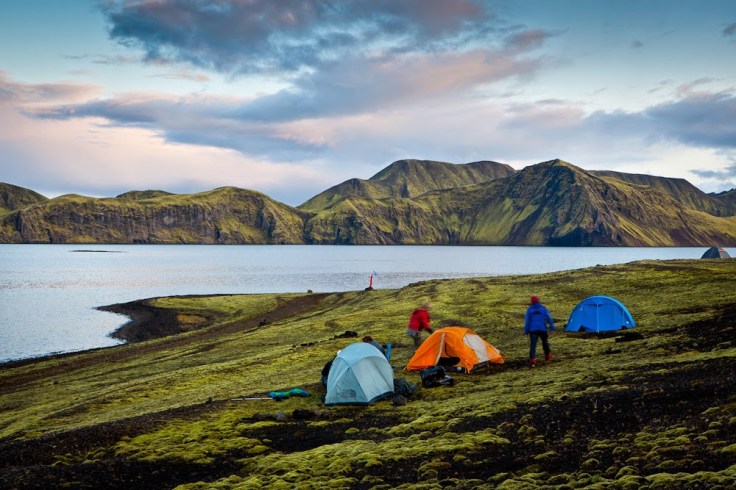
cld090813_162

As thrilling and easy as camping in Iceland can be, there are a few risks that you should take into account. The most notable of these is, of course, the country’s notorious weather. Even in summer, it is unpredictable, with the potential for high winds and all sorts of precipitation.

This can make sleeping an impossibility and roads inaccessible. It is thus important to check the forecast before setting out or settling down, although please note that being a far-flung rock in the North Atlantic means that weather forecasts are never 100% reliable here.

It is always better to have some idea of what is ahead, however, than no idea at all. The Icelandic Search and Rescue team also has a website that warns travellers of closed roads or roads exposed to weather-related risks.

Another thing to bear in mind while camping around Iceland is to ensure you are aware of the services en route. Iceland is a sparsely populated country with enormous stretches of uninhabited land; while this is a significant part of its magical appeal, it can leave the unprepared stranded.

It is therefore always essential to ensure you travel with enough food and water, to have a charged phone in your vehicle, to possess several layers of warm clothes, and, if possible, to have a container with spare fuel.

Those following an itinerary, or sticking largely to Route 1, are much less likely to encounter this problem, but it never hurts to take precautions.

A final issue that you need to be aware of is, essentially, how to camp. Before setting off on a camping trip around Iceland, you should be aware of the basics, such as how to erect your tent, and how to use a gas cooker. It seems simple, but a few practice rounds with unfamiliar equipment can save you from avoidable problems further down the road.

Campsites in Iceland
lakes-in-iceland-2

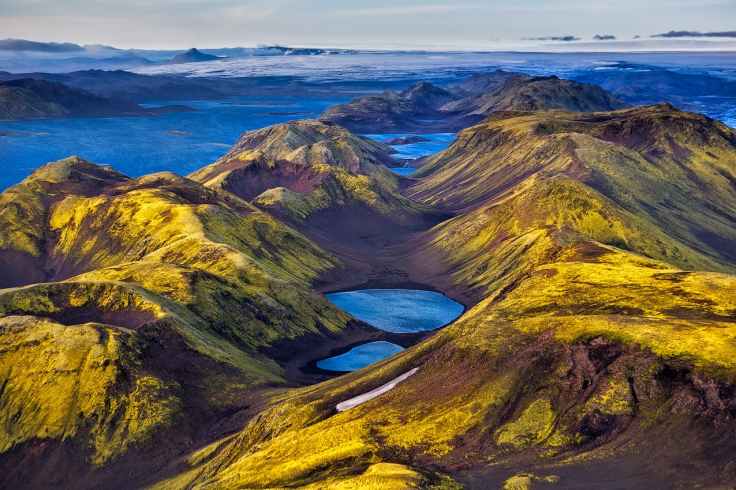
Although much of Iceland’s nature is completely uninhabited and barren, it is highly encouraged—and, in fact, quickly becoming law— to only camp within designated campsites. This helps preserve the wilds of the country, avoids overstepping the mark when it comes to staying on private property and ensures your safety.

The campsites in Iceland are as diverse as their settings; most have a full range of services, including showers, bathrooms, electricity and nearby restaurants or shops, but many are simply a cordoned off-field or a stretch of beach with no amenities available.

The campsites to which you can access free admission on self-drive tours usually have decent facilities, and the services at each can be seen on the camping card website.

Before setting off on a trip, it is also important to check when the campsites you plan to attend are open. Naturally, they are only open during the summer months, but the specific dates vary. Many are open all the way from May to September, but a few, especially those in more remote areas, or areas susceptible to inclement weather, may only be accessible from June to August.

Festivals at certain locations in summer can also mean that campsites will fill up, and camping cards may not be valid, so it is a good idea to check up on each location before visiting it.
jokulsarlon-glacier-lagoon-iceland-s-crown-jewel-4

I come completely from the mountains!


Places in Iceland

jokulsarlon-glacier-lagoon-iceland-s-crown-jewel-13

1. Lake Myvatn Geothermal Area

the-ultimate-guide-to-lake-myvatn-2

What makes lake Mývatn so special? What is there to do around lake Mývatn? What is special about the flora and fauna of lake Mývatn? What is the Diamond Circle? Read on to find out what makes the area surrounding Mývatn one of Iceland’s most popular destinations.

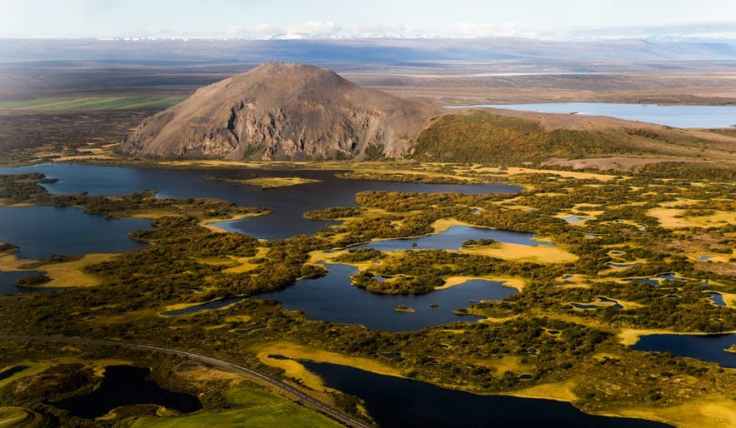
In northeast Iceland you’ll come across a beautiful lake, called Mývatn. This is Iceland’s fourth largest lake, 36,5 km2 and it has around 50 islets or skerries in it. The lake is shallow, full of fish, interesting flora and rich birdlife. The lake and the surrounding area is a nature reserve, and a very popular travel destination for both locals and travellers.

And it’s not surprising – the area is incredibly diverse, with impressive waterfalls, beautiful lake views, hot springs, steaming geothermal area, caves and craters!

Only one, very small, town can be found on the east side of the lake, called Reykjahlíð. Here you will find basic amenities such as a gas station, bank, mini supermarket, health care centre, school, swimming pool and a hotel. Various cafés, restaurants, hotels, guesthouses, summer cabins and a campsite are also scattered along the banks of the lake and by some of the main attractions.

Mývatn is one of the highlights of the Diamond Circle, a popular tourist travel route in the north of Iceland, and arguably the most popular destination in north Iceland – competing with nearby town of Akureyri and the village of Húsavík, the whale watching capital of Iceland.

From Reykjavík, it is about a 6-7 hour drive to reach the small village of Reykjahlíð by Lake Mývatn, in good conditions. During wintertime that could take longer, depending on the weather and road conditions.

Read on to find out all there is to know about this spectacular natural attraction in north Iceland, and get tips on all the best locations to visit.

2. Skaftafell Nature Reserve

what-to-do-amp-where-to-go-9 (1)

Measuring 4800 km² (1,850 mi²), Skaftafell is home to some of the strangest and most surreal landscapes on the planet.

The area is formed by a constant duel of fire and water, and camping in the greens of a birch wood forest, surrounded by black desert sands, glacial rivers, and a spur of the Vatnajökull ice cap is always a humbling experience.

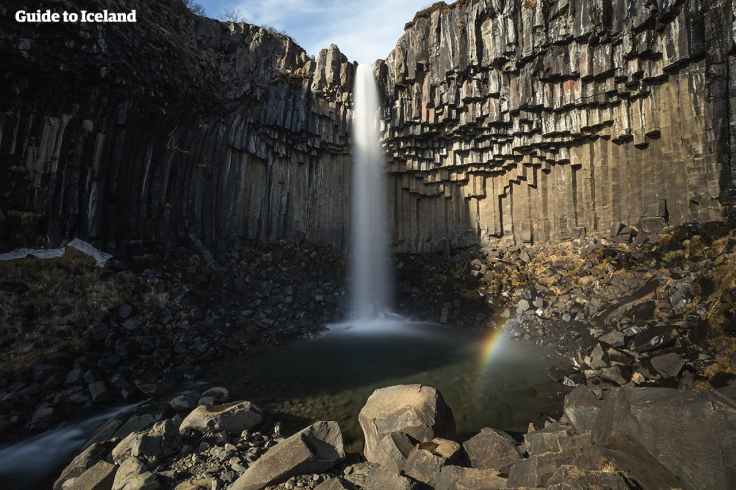
Numerous hiking trails take you away from the campground, to such natural treasures as Svartifoss (Black fall), which flows over a sublime cliff of black basalt columns.

Skaftafell is renowned for its warm climate and sunny summer days, and local services include guided tours around the area and onto the glacier, ice-climbing tours, transportation, food and accommodation.

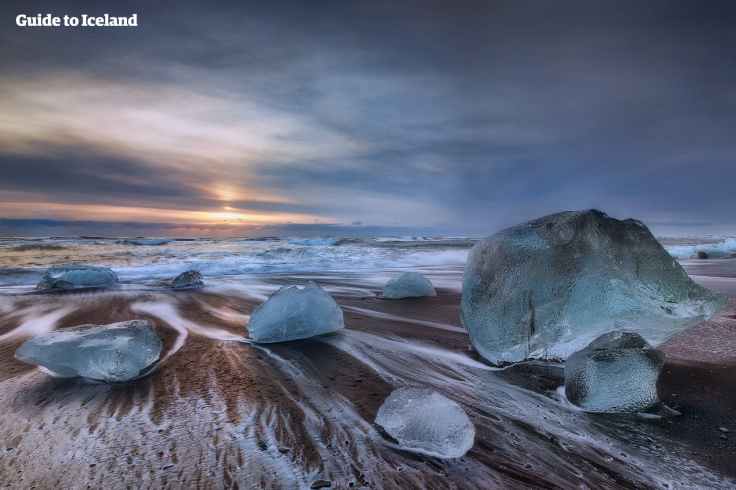
Only a short drive away, titanic icebergs float magnificently on Jökulsárlón, a majestic sky-blue glacier lagoon, where travellers can sail among the countless mountains of ice that constantly fall from the glacier.

3. Asbyrgi Canyon

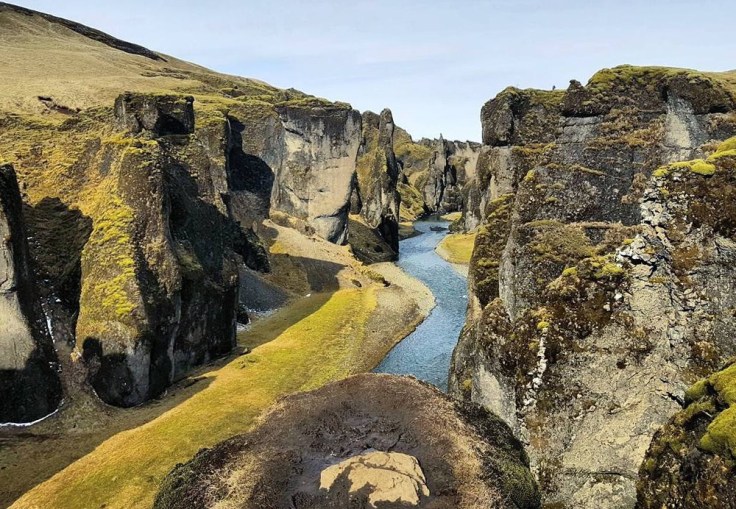
fjadrargljufur

In northeast Iceland, the horseshoe-shaped canyon, Ásbyrgi awaits travellers who thirst for spiritual fulfilment through tranquilly experiencing natural splendour.

The canyon is 3.5 km (2 mi) in length and 1 km (0.6 mi) across, split by a towering cliff structure from which travellers enjoy fantastic views, while below, fellow pilgrims parade through a thicket of birch, willow, fir, larch and pine.

Although Ice Age flooding of the river Jökulsá á fjöllum likely caused Ásbyrgi’s shape, legend explains the curious frame of the gorge in another way. To this day some locals still maintain that Ásbyrgi was created when Odin’s horse, Sleipnir, touched one of its eight hooves to the ground.

Numerous myths also relate that the canyon is the principal dwelling of “hidden people” (huldufólk), who supposedly live within the cliffs.

I come completely from the mountains!
 

Folklore in Iceland

Folklore

elven_scout_by_thaldir

Since the dawn of history, Icelanders have told fantastic tales of their strange encounters with the many peculiar supernatural beings with which they share the land. From the extraordinary Lyngbakur—a fishermen-eating whale giant that disguises himself as an island—to the trolls of day and night, Icelandic folklore is riddled with countless tales of fantastic spirits that reflect the unique natural landscapes in which they reside.

During the long dark winter nights of old, storytelling was the chief form of Icelandic entertainment, with each region fostering its very own bulk of tales and legends that were passed down from generation to generation throughout the centuries.

But these peculiar accounts, which have been recorded and collected from as early as the 12th century, were not mere instruments of pastime activity; they reflect the harsh and distinct natural environment in which Icelander’s struggled to survive and served as educational tools that taught our children how to live in an unforgiving wilderness while nurturing in them a sense of things too subtle for the human eye to register.

The stories of antiquity are allegorical accounts that teach their audience to respect both the spirits of the land, and the natural environment in which they reside, where earthquakes, volcanos, and extreme weather conditions constantly pose a very real and tangible threat.

Elves in Iceland

290db4fb0870c49c0654f4f68abc0d29

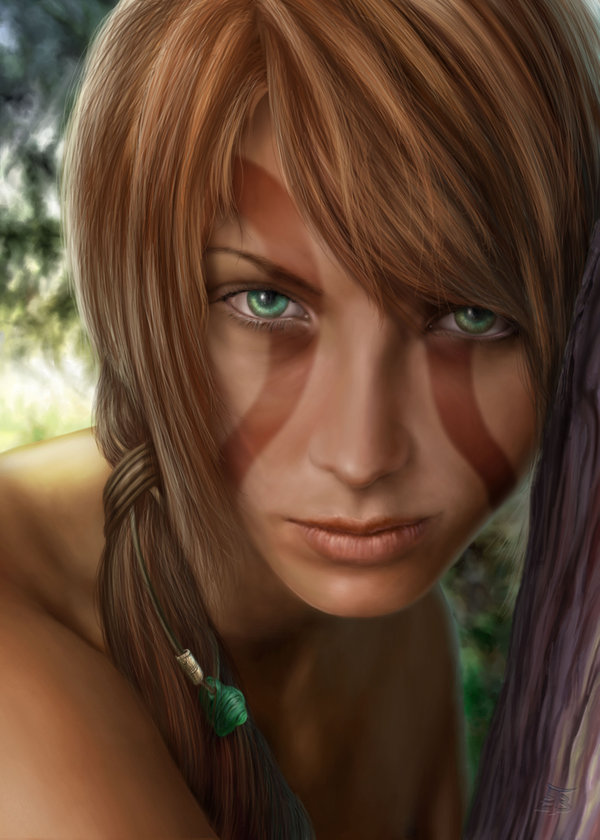
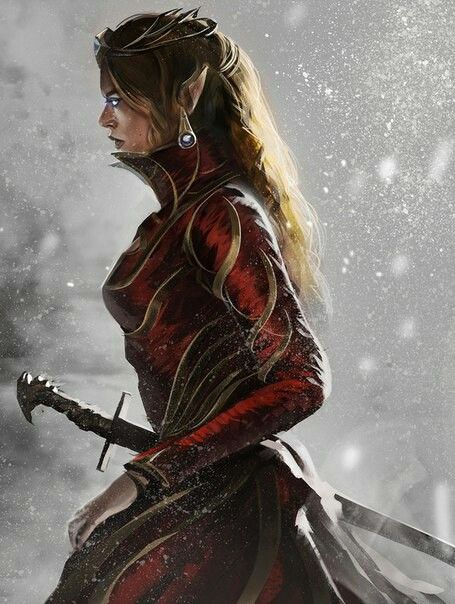
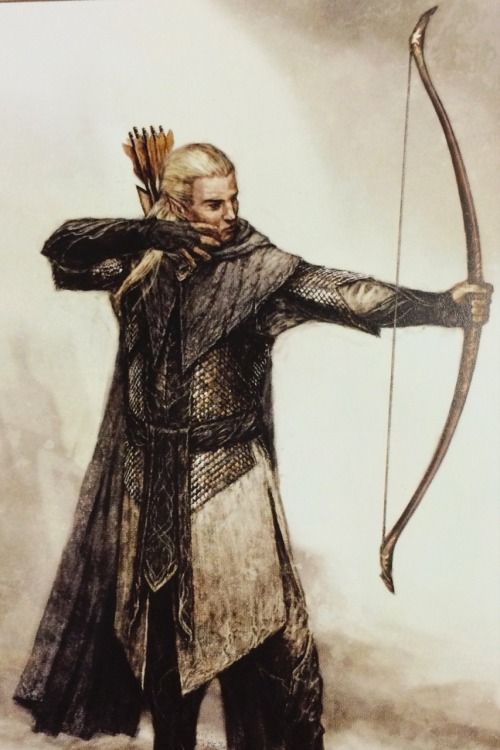
Elves appear frequently in Northern European and Germanic mythology where they are generally described as beautiful and subtle eternal beings who are in possession of great powers. The Icelandic elves, however, are their own species.

Commonly referred to as Huldufólk (hidden people), the elves of Iceland live in enchanted rocks and cliffs where they lead lives that are very similar to those lead by humans; they keep livestock, cut hay, row fishing boats, pick berries and go to church on Sundays.

Despite these resemblances—or perhaps precisely because of them—the hidden people prefer to be left alone and usually remain invisible, only allowing themselves to be seen in particular situations and at specific times like New Year’s Eve and Midsummer’s Night.

Hidden people are known to be extremely protective of their homes and will cause great harm to those who disturb them. In fact, countless episodes that reflect the fiercely territorial elfin nature have been thoroughly documented and building projects in Iceland are frequently altered to avoid causing damage to enchanted rocks and cliffs in which hidden people have made their home.

The most recent incident occurred in 2015 when a new road was to be laid through an enchanted spot in the lava field of Gálgahraun. After many failed attempts, where heavy machinery had continually broken down for no apparent reason and numerous workers had suffered freak accidents, the construction company was forced to move the road so that it would bypass the elfin community completely.

Needless to say, most Icelanders firmly believe in the existence of elves and recent polls have shown that more than 55% of the nation subscribes to such a belief in one way or another. These statistics might, however, be influenced by the fact that denying the existence of elves is believed to bring about a lifetime of extremely bad luck.

f191b4dbc787654f470ca583b01b3b2c

Trolls in Iceland

ogre_wHorns07_comp

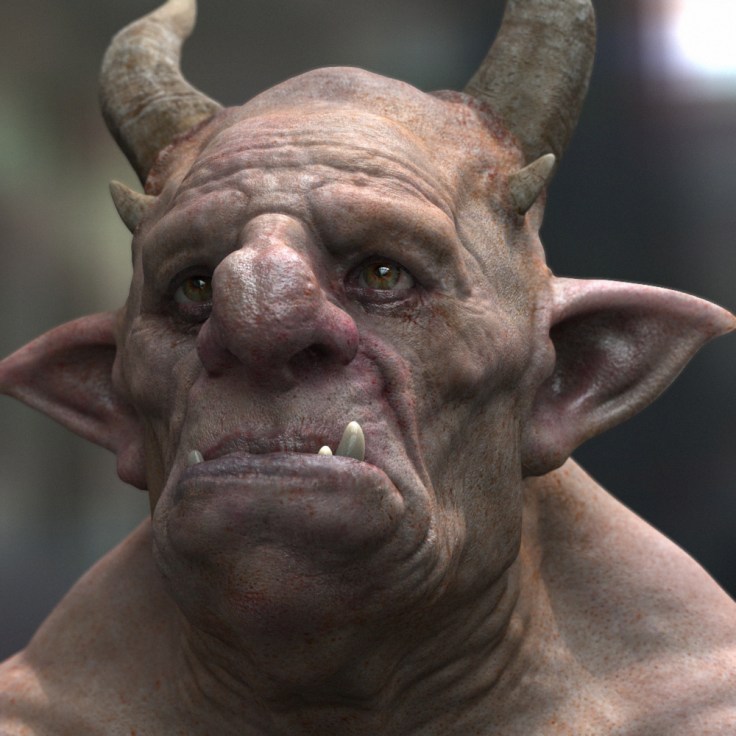
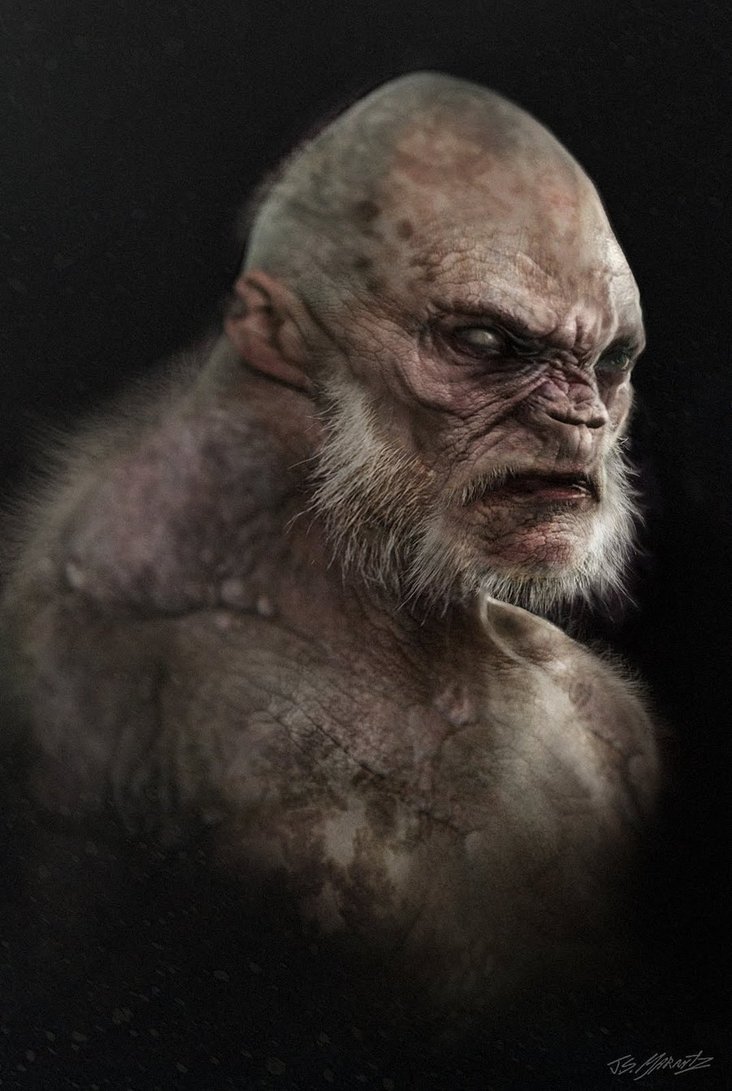
Habitually described as big, stupid and greedy—but sometimes kind and wise—the trolls of day and night occupy an immense portion of Icelandic folklore. Like elves, trolls become enraged when one does them harm, but one can expect to be richly rewarded when helping a troll in need.

Although they are in general not considered as appealing as their elfin counterparts, trolls are just as capable of extraordinary magical feats and are known to cast terrible spells and enchantments—but do to their low intelligence, humans can usually free themselves of their enchantments quite easily.

Icelandic trolls live in rocky mountains, deep in the uninhabitable Icelandic highlands. They like the taste of flesh and are known to lure unsuspecting humans into their caves with spells, magic potions or simply by taking them captive. And since trolls are known to steal and eat misbehaving children, troll stories often serve the purpose of keeping mischievous children at bay.

Most trolls can only travel by night and will turn to stone as soon as they are hit by sunlight. Many magnificent Icelandic rock formations are said to be the petrified remnants of trolls who suffered the harsh fate of the sun and derive their names directly from such accounts, for example, West Iceland’s Skessuhorn (Troll Woman’s Peak) and Tröllaskarð (Troll’s Pass) in North Iceland.

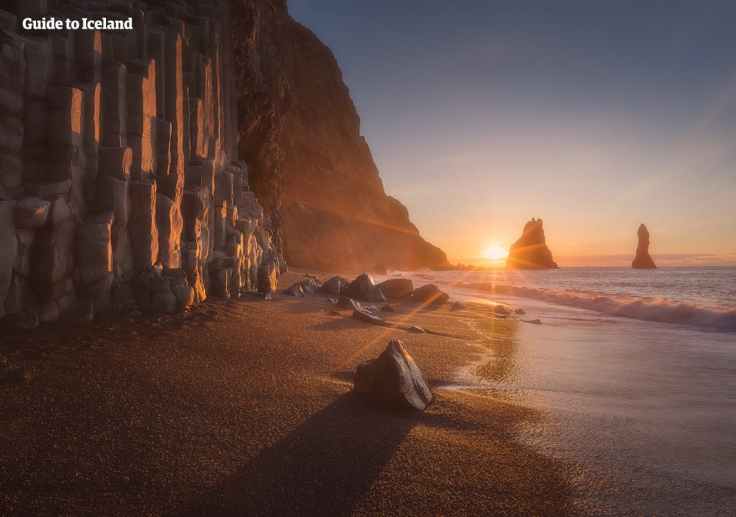
According to legend, the three titanic rocks off the beach of Reynisfjara, are the petrified remains of careless trolls who were hit by the light of day while unsuccessfully trying to drag a three-masted ship to land; and the Hvítserkur cliff of the Vatnsnes Peninsula in northwest Iceland is said to be a troll that turned to stone after spending too much time tearing down the bells of the Þingeyraklaustur monastery.

ogre_demo_by_jsmarantz-d4eh63n

I come completely from the mountains!
 

History of Iceland

what-to-do-amp-where-to-go-2

The recorded history of Iceland began with the settlement by Viking explorers and their slaves from the east, particularly Norway and the British Isles, in the late ninth century. Iceland was still uninhabited long after the rest of Western Europehad been settled. Recorded settlement has conventionally been dated back to 874, although archaeological evidence indicates Gaelic monks from Ireland had settled Iceland before that date.

The land was settled quickly, mainly by Norwegians who may have been fleeing conflict or seeking new land to farm. By 930, the chieftains had established a form of governance, the Althing, making it one of the world’s oldest parliaments. Towards the end of the tenth century, Christianity came to Iceland through the influence of the Norwegian king Olaf Tryggvason. During this time Iceland remained independent, a period known as the Old Commonwealth, and Icelandic historians began to document the nation’s history in books referred to as sagas of Icelanders. In the early thirteenth century, the internal conflict known as the age of the Sturlungs weakened Iceland, which eventually became subjugated to Norway through the Old Covenant (1262–1264), effectively ending the commonwealth. Norway, in turn, was united with Sweden (1319) and then Denmark (1376). Eventually all of the Nordic states were united in one alliance, the Kalmar Union (1397–1523), but on its dissolution, Iceland fell under Danish rule. The subsequent strict Danish–Icelandic Trade Monopoly in the 17th and 18th centuries was detrimental to the economy. Iceland’s subsequent poverty was aggravated by severe natural disasters like the Móðuharðindin or “Mist Hardships”. During this time the population declined.

Iceland remained part of Denmark, but in keeping with the rise of nationalism around Europe in the nineteenth century an independence movement emerged. The Althing, which had been suspended in 1799, was restored in 1844, and Iceland gained sovereignty after World War I, on 1 December 1918. However Iceland shared the Danish Monarchy until World War II. Although Iceland was neutral in the Second World War, the United Kingdom invaded and peacefully occupied it in 1940 to forestall a Nazi occupation, after Denmark was overrun by the German Wehrmacht.[1] Because of the island’s strategic position in the North Atlantic, the allies occupied the island until the end of the war, the United States taking over occupation duties from the British in 1941. In 1944, Iceland severed its remaining ties with Denmark (then still under Nazi occupation) and declared itself a fully independent nation. Following the Second World War, Iceland was a founding member of both the United Nations and the North Atlantic Treaty Organization. Its economy grew rapidly largely through fishing, although this was marred by disputes with other nations.

Following rapid financial growth, the 2008–11 Icelandic financial crisis occurred. Iceland continues to remain outside the European Union.

Because of its remoteness, Iceland has been spared the ravages of European wars but has been affected by other external events, such as the Black Death and the Protestant Reformation imposed by Denmark. Iceland’s history has also been marked by a number of natural disasters.

Iceland is a relatively young country in the geological sense, being formed about 20 million years ago by a series of volcanic eruptions in the Mid-Atlantic Ridge, but it is still growing from fresh volcanic eruptions. The oldest stone specimens found in Iceland date back to ca. 16 million years ago.

sport1

I come completely from the mountains!
 

Create a free website or blog at WordPress.com.

Up ↑

Design a site like this with WordPress.com
Get started